Fire fighting kit: an option that can help you prevent fires
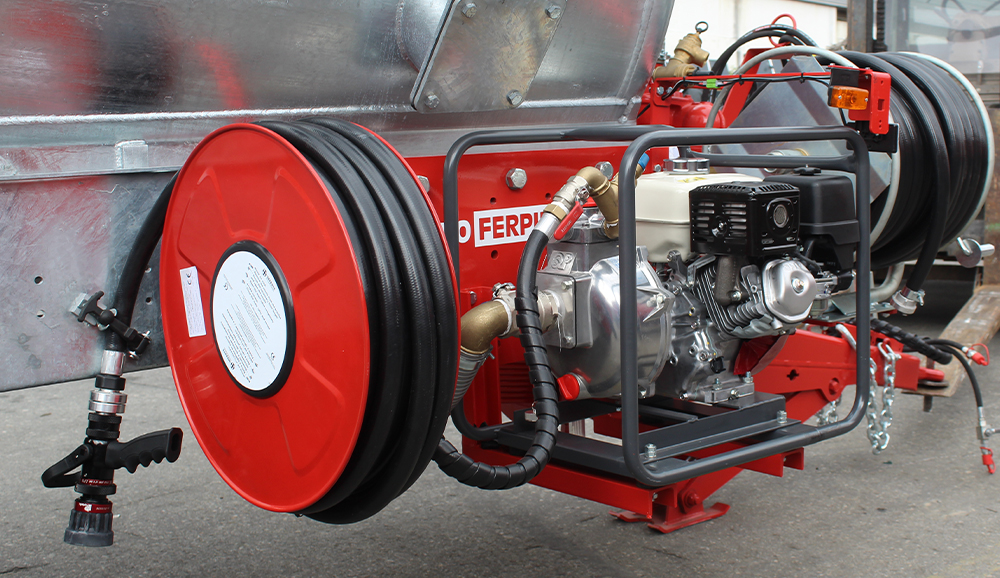
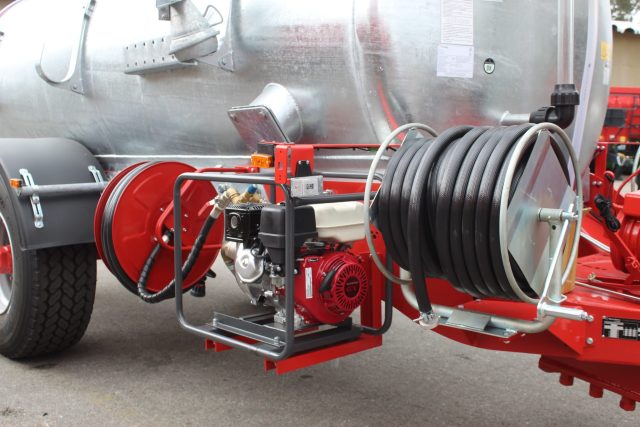
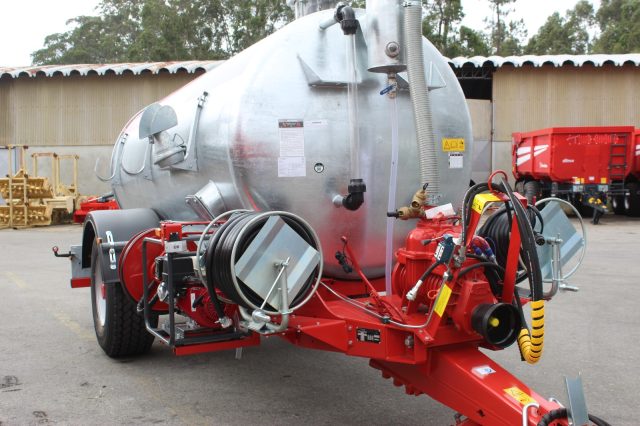
Wildfires represent a constant threat to rural areas, requiring a fast and effective response. The Fire Fighting Kit, composed of a pump group, hoses, and nozzles commonly used by fire brigades, is a robust and versatile solution that can be mounted on tanker trailers and tank trailers. Towed by agricultural tractors, this equipment allows for immediate intervention, serving as the first available resource in case of emergency.
This solution consists of a gasoline engine and a pump with a capacity of 480 liters per minute (l/min), with a working pressure of 10 bar, ensuring a consistent and powerful water flow during fire combat. The system also includes two reels with 3 x 25 meters of semi-rigid hose, with a diameter of 25 mm, providing good flexibility and reach in water distribution. To facilitate handling and increase operational efficiency, the system is equipped with Storz couplings and a Protek nozzle, offering greater safety and speed in setting up the firefighting line.
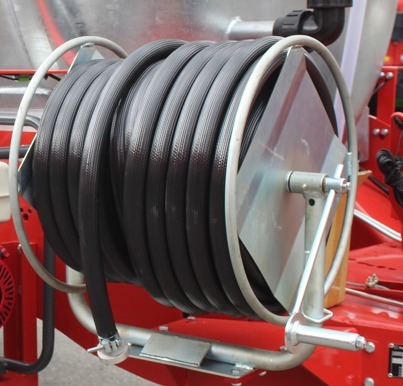
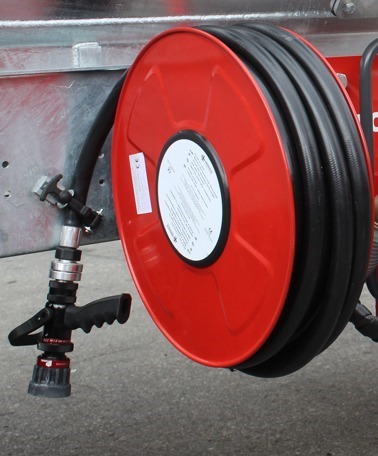
This equipment is particularly valued by forestry companies and local municipalities, which use it as the primary resource for fighting fires before the arrival of professional firefighting units. Its mobility and autonomy provided by the pumping system make it ideal for operation in difficult and hard-to-reach terrain, where the presence of water sources is limited.
In addition to direct firefighting, the Fire Fighting Kit can be used for various other applications, such as road washing, irrigating municipal gardens, and maintaining ornamental trees. The versatility of the tanker trailer allows for adaptation to different needs, offering an efficient and practical solution for water resource management in both urban and rural environments.
Additionally, it can be used in preventive actions, such as humidifying sensitive areas and creating containment strips. Its presence in agricultural trailers significantly increases the operational capacity of local communities, ensuring greater protection for forestry, agricultural, and urban assets.
With a design focused on maximum efficiency and ease of use, this system represents a strategic investment in safety and water resource management, enhancing the ability to respond in critical moments.