No more posts
Kit-incendios.jpg

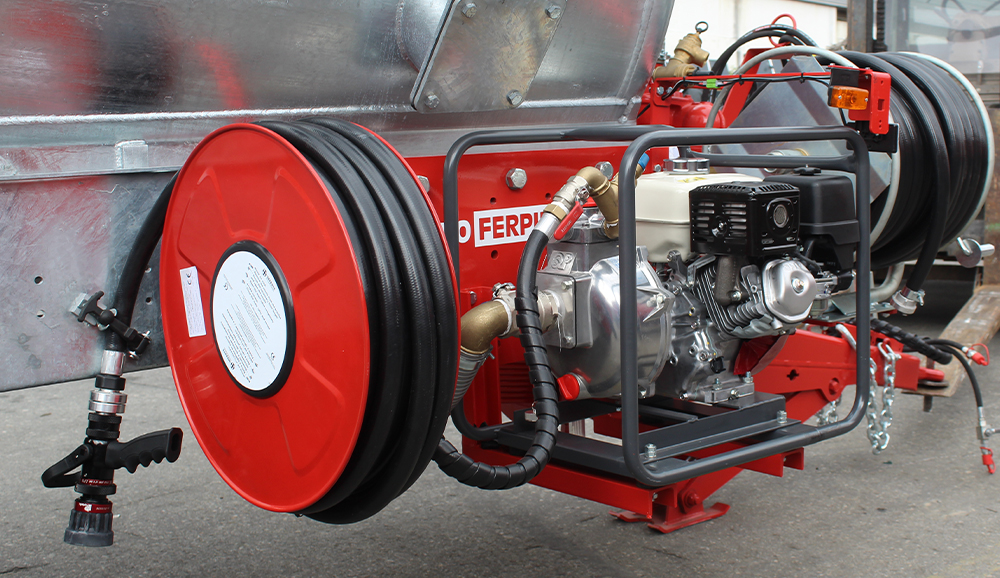
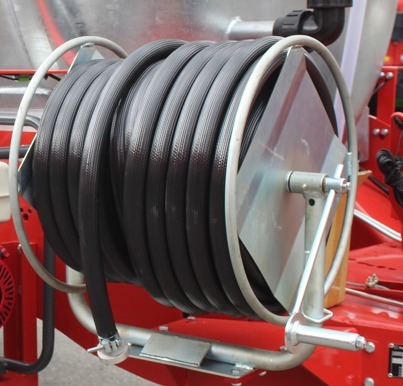
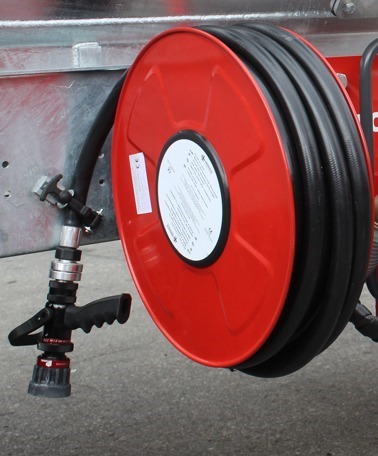
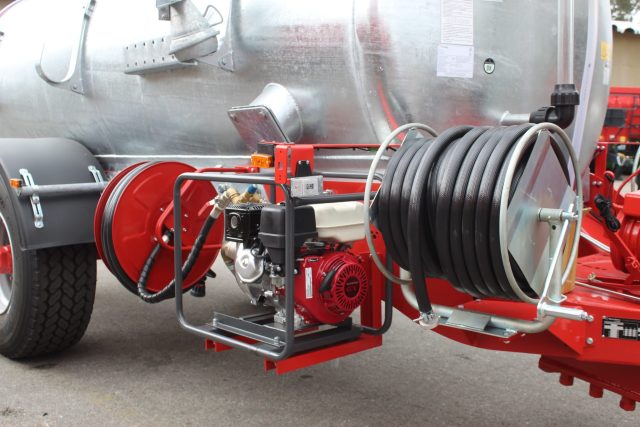
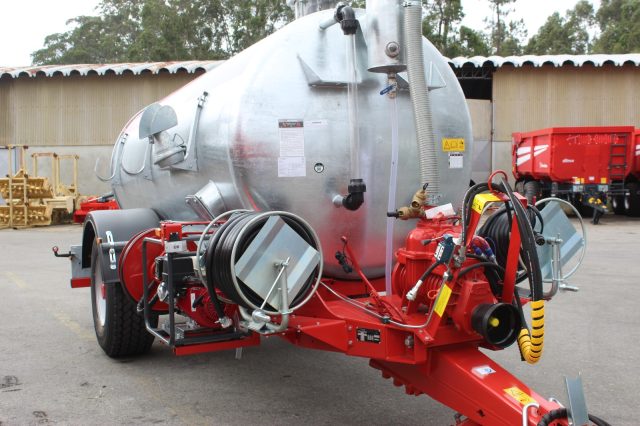
Wildfires represent a constant threat to rural areas, requiring a fast and effective response. The Fire Fighting Kit, composed of a pump group, hoses, and nozzles commonly used by fire brigades, is a robust and versatile solution that can be mounted on tanker trailers and tank trailers. Towed by agricultural tractors, this equipment allows for immediate intervention, serving as the first available resource in case of emergency.

This solution consists of a gasoline engine and a pump with a capacity of 480 liters per minute (l/min), with a working pressure of 10 bar, ensuring a consistent and powerful water flow during fire combat. The system also includes two reels with 3 x 25 meters of semi-rigid hose, with a diameter of 25 mm, providing good flexibility and reach in water distribution. To facilitate handling and increase operational efficiency, the system is equipped with Storz couplings and a Protek nozzle, offering greater safety and speed in setting up the firefighting line.


This equipment is particularly valued by forestry companies and local municipalities, which use it as the primary resource for fighting fires before the arrival of professional firefighting units. Its mobility and autonomy provided by the pumping system make it ideal for operation in difficult and hard-to-reach terrain, where the presence of water sources is limited.

In addition to direct firefighting, the Fire Fighting Kit can be used for various other applications, such as road washing, irrigating municipal gardens, and maintaining ornamental trees. The versatility of the tanker trailer allows for adaptation to different needs, offering an efficient and practical solution for water resource management in both urban and rural environments.

Additionally, it can be used in preventive actions, such as humidifying sensitive areas and creating containment strips. Its presence in agricultural trailers significantly increases the operational capacity of local communities, ensuring greater protection for forestry, agricultural, and urban assets.

With a design focused on maximum efficiency and ease of use, this system represents a strategic investment in safety and water resource management, enhancing the ability to respond in critical moments.


Tanker Pumps-.jpg

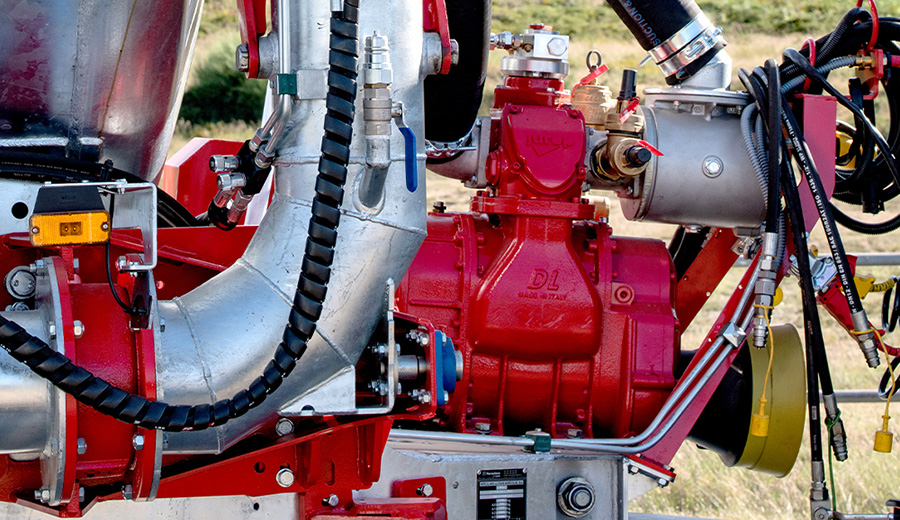
The transportation and application of slurry and digestate require efficient equipment to ensure fast packaging, safe transportation and accurate distribution. One of the most important factors when choosing an agricultural cistern is the filling/pumping system, which must be suitable for the type of fluid transported, the travel distance and the method of application to the soil.

Different filling/pumping systems are used to meet these needs, each with specific advantages depending on the type of material to be transported and the infrastructure available.


MAIN TYPES OF PUMPS FOR AGRICULTURAL CISTERNS

VACUUM PUMPS (VANES OR LOBES)

Features:

  • They work by vacuum for suction and pressure for discharge.
  • Operational simplicity and low maintenance
  • Good flow capacity (4,000 to 25,000 L/min)
  • Used in most conventional agricultural cisterns

Best option for:

  • Transport of slurry and/or digestate with low solids content
  • General applications with fast filling and discharge
  • Farms and cooperatives that need robust and easy-to-operate equipment

Limitations:

  • Less efficient for thick slurries or those with large solids


CENTRIFUGAL PUMPS

Features:

  • Very high flow rate (up to 25,000 L/min)
  • Good option for quickly filling large cisterns
  • Low maintenance cost
  • Continuous flow, ideal for pipe distribution systems

Best option for:

  • Large volumes of diluted, low viscosity slurry
  • Systems where filling and unloading speed are a priority
  • Distribution by Dragline systems (flexible hose)

Limitations:

  • Not suitable for very viscous liquids
  • Sensitive to suspended solids


SCREW PUMPS (HELICAL)

Features:

  • High efficiency for viscous and solid materials
  • Continuous and smooth flow, avoiding foam or turbulence
  • They work well with digestates from biodigesters
  • High dosage accuracy for controlled soil application

Best option for:

  • Transport of thick slurries or those containing vegetable fibers
  • Application with direct injection into the soil, ensuring uniform distribution
  • Agricultural and biogas companies using high solids digestates

Limitations:

  • Higher initial cost
  • Requires more careful maintenance to avoid premature wear


HOW TO CHOOSE THE BEST SYSTEM FOR YOUR CISTERN?

Choosing the ideal pump for an agricultural cistern should consider:

» Material type → Liquid slurry? Thick? With solids?
» Tank capacity → Small tanks can use vacuum pumps, while large systems need centrifugal or helical pumps
» Transport distance → Long distances may require higher power pumps
» Application method → surface distributors require large flows, while injectors require precise dosing


Pump Type Best for Limitations
Vacuum/Pressure General purpose, liquid slurry Sensitive to large solids
Centrifuge Rapid filling of large cisterns Does not work well with viscous materials
Screw/Helical Thick slurry, soil injection Higher initial cost and maintenance


For simple and versatile applications, vacuum pumps are the best choice. For fast filling and large volumes , centrifuges are ideal. For liquid, thick waste and precise distribution , helical conveyors offer the best performance.


bale trailer.jpg

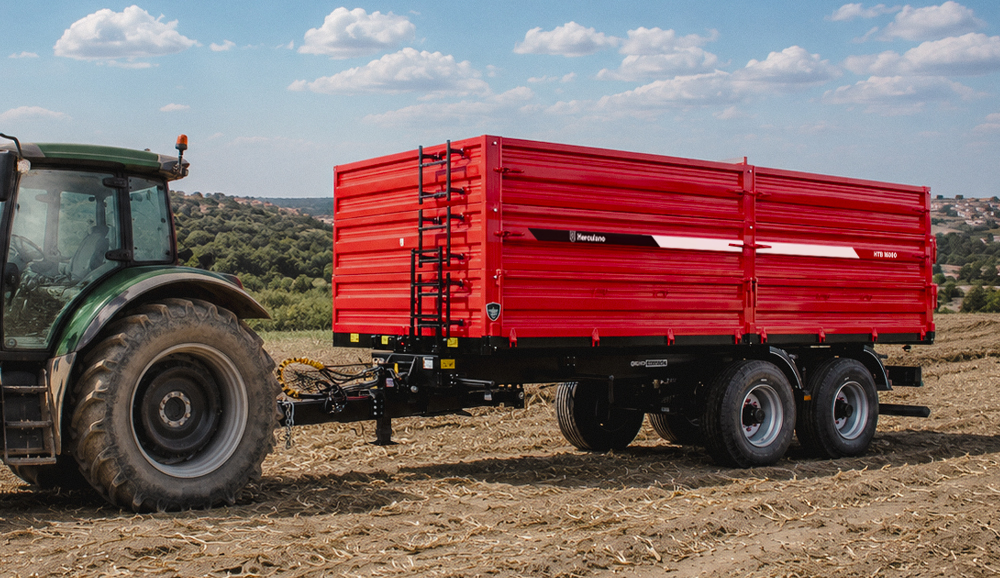
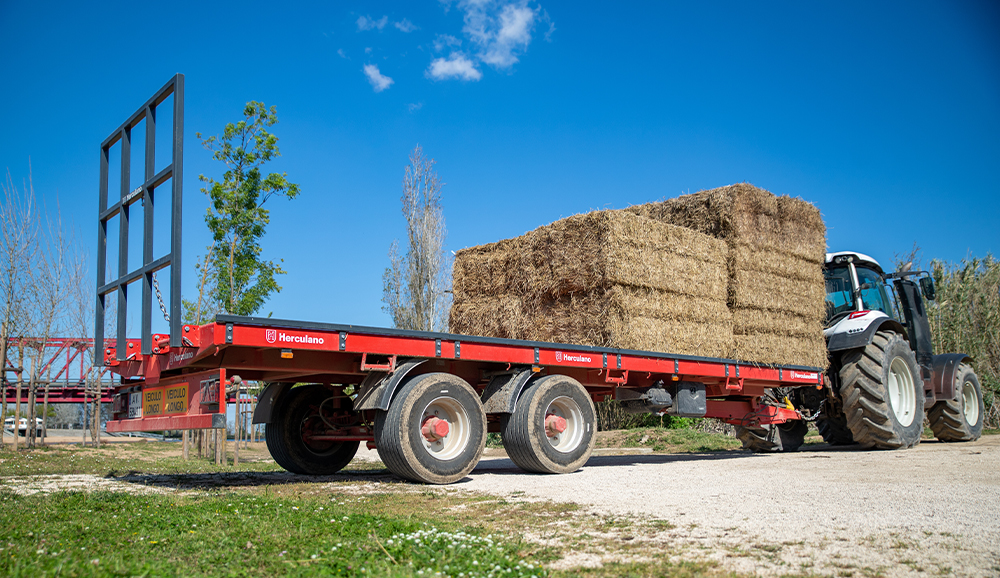
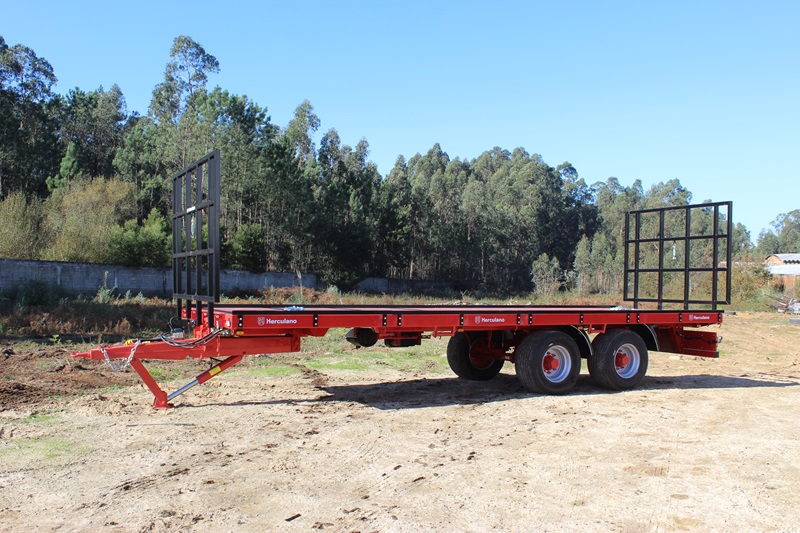
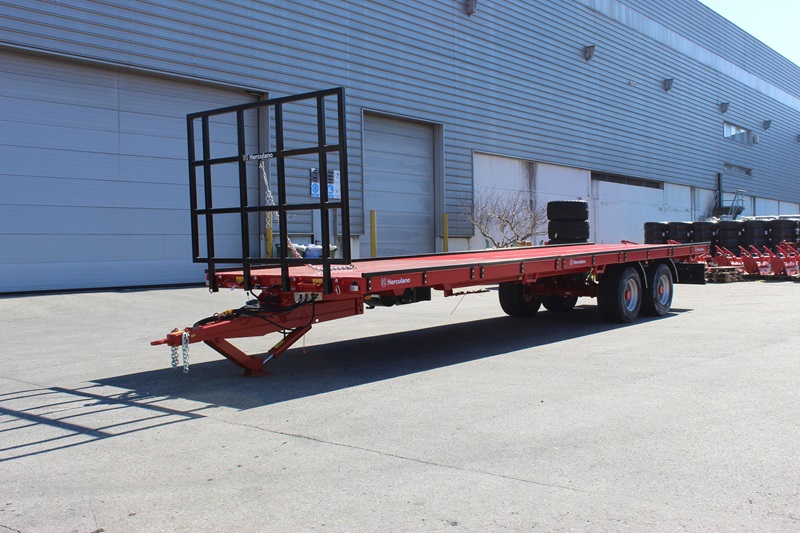
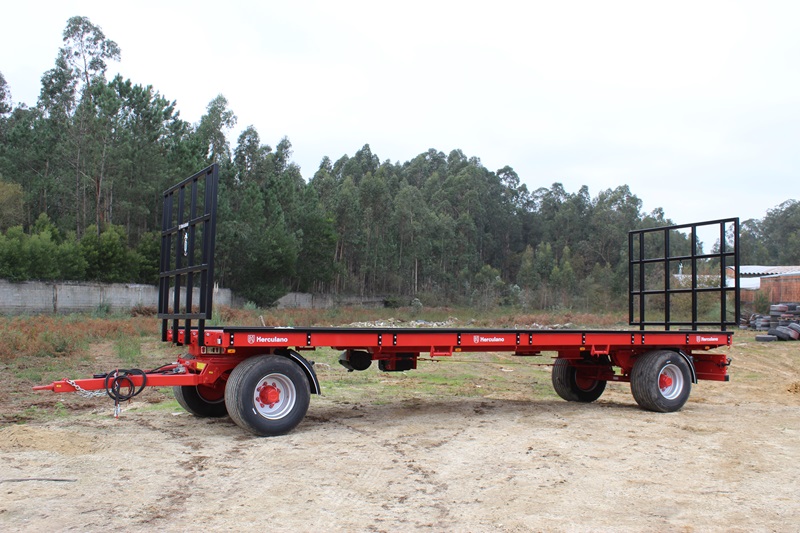
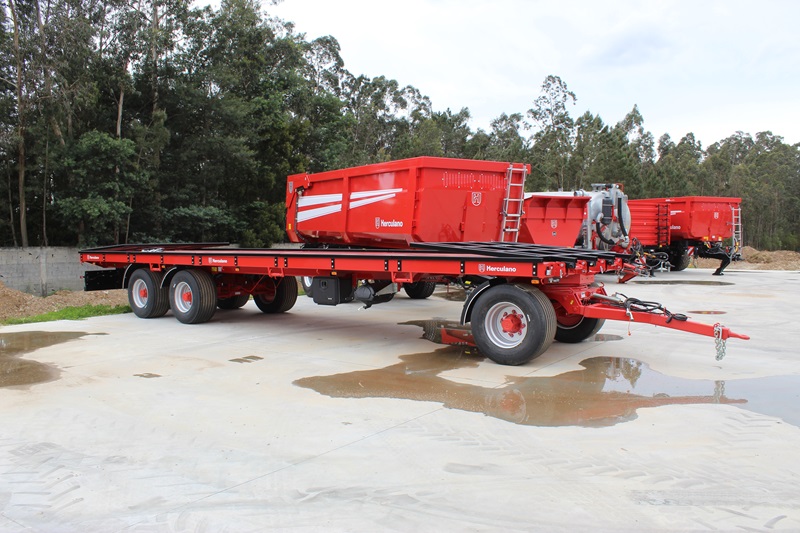
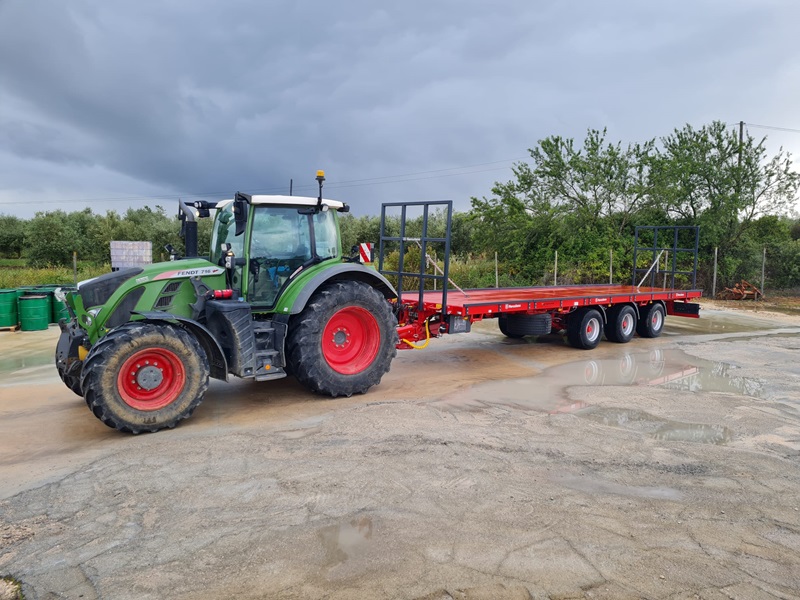
The Herculano bale trailer is the perfect solution for those looking for safety, strength and performance when transporting straw bales, pallets of vegetables or fruit. Available in 8m and 10m long and 2.43m wide versions, it adapts to all your needs, whether as a semi-trailer (load on axles and tractor) or trailer with rotating axle at the front (integral load supported by the axles of the trailer, also known as a galley).

The main characteristics are as follows:

Flexibility and practicality: Adjustable and removable limiters guarantee greater versatility when transporting different types of load.
Unbeatable durability: 4mm steel plate bottom ensures a sturdy structure and long service life.
Stability on the move: Stretch rollers every 2m provide greater safety and stability during transportation.
435/50 R19.5 wheels ensure a maximum height of 1.20m or less, adapting to various terrain conditions.
🔹 Guaranteed safety: Equipped with safety devices, lighting and signage in compliance with current legislation, for total peace of mind.

This trailer is designed to guarantee high performance and efficiency in the field, providing the capacity, safety and resistance that every job requires.


Click here to see the features of all the models and, for more information, contact the Herculano team.


HPT8 bale trailer


HPT10 bale trailer


HPG8 bale trailer


HPGT10 bale trailer


HPT10 Tridem bale trailer


Spreader-HME-18.jpg

The efficient distribution of manure and slurry is essential for the chemical and structural correction of the soil, ensuring greater productivity and agricultural sustainability. Two of the main technologies used in this process are DPA (Proportional Feed Rate) and VRT (Variable Rate Technology). Although both have the aim of improving the application of organic fertilizers, each acts differently and can be used together to optimize results.


DPA - Debit Proportional to Advance

The DPA automatically adjusts the distribution rate according to the tractor's speed, ensuring that the amount of manure or slurry applied per square meter remains constant, regardless of speed variations.

Advantages
Maintains a uniform dosage and avoids waste.
Simple to operate and adjust.
Reduces the risk of over- or under-application at different points on the plot.

Limitations
Does not take into account variations in soil requirements.
Relies on prior calibration to ensure accuracy.

In the context of chemical and structural soil correction, DPA ensures that organic matter and nutrients are applied evenly, promoting improvements in water retention, soil structure and crop nutrition.


VRT - Variable Rate

VRT, in turn, adjusts the amount of fertilizer distributed according to the specific needs of each soil zone, based on prescription maps or real-time sensors. With this technology, it is possible to carry out a more efficient and targeted application, correcting nutritional and structural deficiencies in the soil with greater precision.

Advantages
Adjusts fertilization to the real needs of the soil.
Reduces costs and environmental impact by avoiding waste.
Improves nutrient efficiency and crop productivity.

Limitations
Requires prior soil analysis and plot mapping.
Higher initial investment due to the need for on-board technology.


Definition of Fertilizer Adjustments in the Use of VRT

To get the most out of VRT, you need to follow a structured process to define fertilizer adjustments in advance.


  1. Soil Analysis and Parcel Mapping
    • Carry out soil sampling to identify nutrient and organic matter levels.
    • Use sensors, GPS, drones or satellites to map fertility variations on the plot.

2. Creating the Prescription Map

    • Based on the soil analysis, generate a prescription map with the optimum application quantities for each zone.
    • Consider the history of the plot and the fertilization objectives.

3. Configuring the VRT system on the equipment

    • Load the prescription map into the spreader or tank controller.
    • Calibrate the system to ensure that the distribution corresponds to the recommendations on the map.

4. Real-time monitoring and adjustments

    • NIR (Near Infrared) sensors can be used to measure the composition of the slurry and adjust the dose automatically.
    • The operator can monitor and correct the application via the device's terminal.


In short, both DPA and VRT play an essential role in organic fertilization management. DPA ensures homogeneous distribution adjusted to the speed of the tractor, while VRT allows for a more precise and optimized application, correcting specific soil deficiencies. The combination of these technologies improves the efficiency of organic fertilizers, promoting more fertile, productive and sustainable soil.


Galvanizing-spreader.jpg

In the agricultural sector, the durability and resistance of equipment is essential to guarantee its functionality and efficiency over time, which is why Herculano has invested in the innovation and quality of its products. In this context, galvanizing has emerged as a strategic option, offering clear advantages over painting, especially on organic fertilizing equipment. In this article, we explain the different processes and cover the main differences between galvanizing and painting.


Galvanizing vs Painting

To better understand the advantages of galvanizing, it is important to understand the differences between the two processes:

Painting is the application of a layer of paint to the metal surface, with the aim of protecting against corrosion and improving the aesthetics of the equipment. It is a more economical process, however, in the long term it can be damaged by factors such as abrasion or exposure to chemical substances.

Galvanizing is the process of coating metal with a layer of zinc, which creates a strong protection against corrosion. At Herculano we use hot-dip galvanizing, which guarantees a thick, uniform layer of zinc that protects the metal effectively and durably.


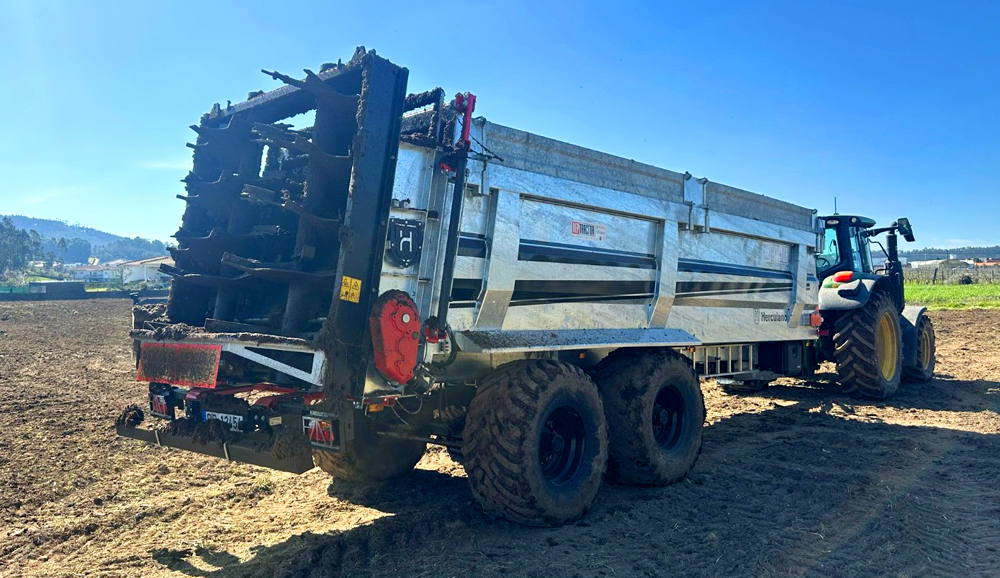
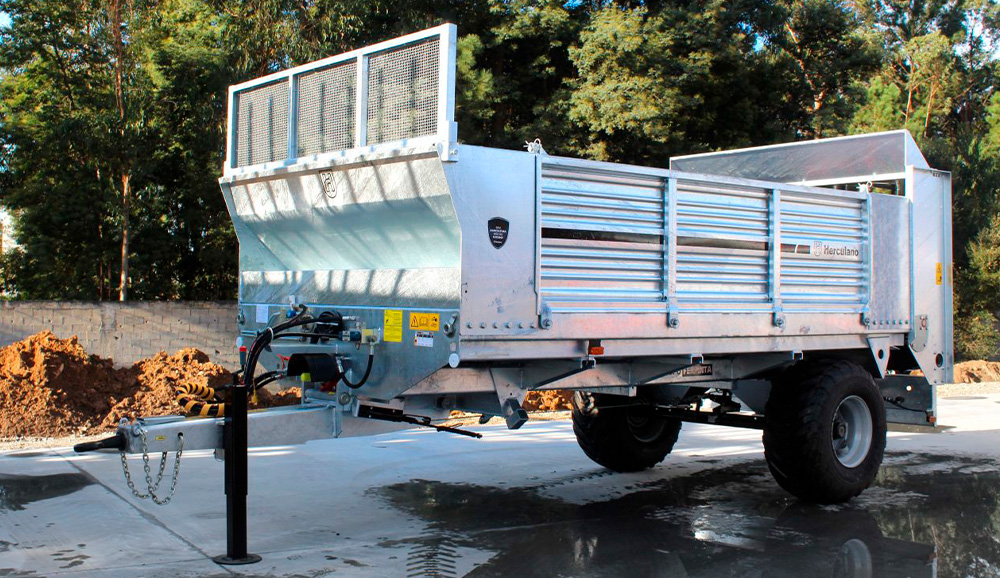
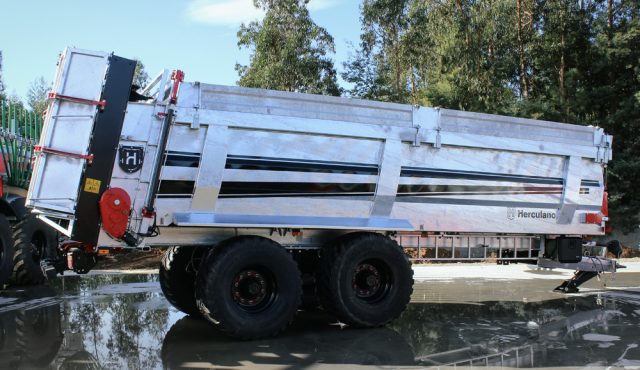
This year, 2024, we have launched 2 new models of galvanized manure spreaders (HME 18 and H4R6 - images and features below) which, compared to the painted models, have a number of advantages:

1. greater durability and longevity

Galvanizing offers continuous and long-lasting protection against corrosion, with a service life of up to 20 to 30 years, resisting the most demanding agricultural conditions.

2. Less need for maintenance

Galvanizing is a low-cost maintenance solution. Even if the coating suffers scratches or damage, the zinc continues to protect the underlying metal thanks to its cathodic protection effect.

3. Resistance to adverse weather conditions

Manure spreaders are often exposed to corrosive fertilizers and other aggressive chemicals. Galvanization offers unparalleled resistance to these factors, providing effective protection against corrosion even in highly aggressive environments.

4. Greater protection against corrosion

Galvanizing creates a thick layer of zinc that protects the metal from corrosion, even in hard-to-reach areas. This means that even after long periods of use, the equipment will retain its strength and functionality.

5. Long-term cost-effectiveness

Although the initial cost of galvanizing is higher than painting, at Herculano we ensure that the added value of galvanizing is reflected in greater longevity and lower maintenance costs over time. Galvanized trailers require fewer repairs and re-applications, resulting in better long-term value for money for farmers.

6. Impact and abrasion resistance

The galvanized zinc layer is extremely resistant to impacts and abrasion, factors that are common in the use of agricultural equipment. Herculano ensures that its galvanized manure spreaders are exceptionally durable, even in conditions of intensive use.


Galvanized spreaders Herculano:
HME 18

Features:
  • Capacity up to guillotine door 14.1m3
  • Inside the box: Length 6.60m / Width 2.00m / Height 1.05
  • Total length 9.65m
  • Total width 2.55m
  • Total height 3.20m
  • Bale trailer height 1.60m
  • Fixed Bogie
  • Cubes 406×120
  • Hydraulic braking
  • Manual 3-position brake valve
  • Double 1-speed gearbox
  • Ferpinta structural tube chassis
  • All-metal monocoque housing
  • 2 worm rollers
  • Detachable spreader unit
  • Manual centralized lubrication
  • Door opening indicators and access ladder to the inside of the box
  • Spring-loaded lance with Scharmuller swivel flanged lug, height-adjustable
  • Hydraulic door
  • Hydraulic folding stand
  • CV joints
  • LED lighting
  • Safety devices, lighting and signaling in accordance with current legislation

Options applied to the image equipment

  • Additional 0.3m plate roofs (+4m3)
  • Self-directional
  • 560/60 R22.5 wheels
  • Galvanized trailer
  • Galvanized lance
  • Spreader conditioning gate
  • DPA
  • LED firefly


H4R6

Features:
  • Capacity 6m3
  • Inside the box: Length 3.68m / Width 1.90m / Height 0.70m
  • Total length 5.78m
  • Total width 2.30m
  • Total height 2.37m
  • Bale trailer height 1.10m
  • 300×60 cubes
  • 400/60-15.5 wheels
  • Hydraulic braking
  • Manual 3-position brake valve
  • All-metal structure
  • Spindle rest on the boom
  • Height-adjustable boom
  • 4 vertical rollers
  • Safety devices, lighting and signaling in accordance with current legislation

Technical Assistance-Herculano.jpg

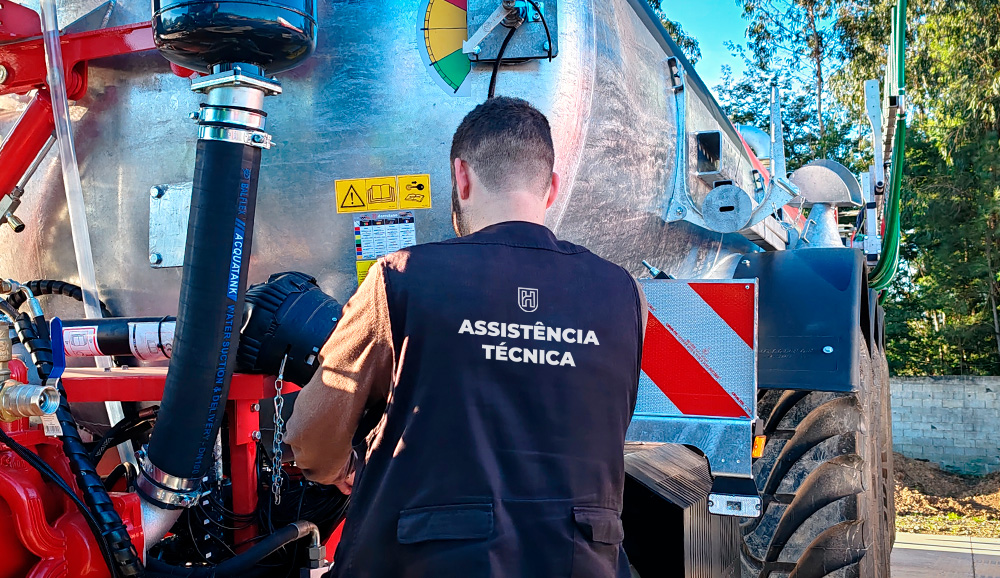
Lubricants play a crucial role in the efficient and long-lasting operation of agricultural equipment. They ensure that moving parts operate smoothly, reducing friction and wear and preventing mechanical failures. In this article, we'll explore the various functions of lubricants and why they are essential for agricultural operations.


Functions of lubricants:

  • Friction reduction: Lubricants reduce the resistance between moving parts, allowing them to run more smoothly and with less energy consumption. This is particularly important in agricultural machinery, where energy efficiency can translate into fuel savings and reduced operating costs.
  • Wear Prevention: One of the main functions of lubricants is to form a protective film that prevents direct contact between metal surfaces, reducing wear and extending the life of components.
  • Heat dissipation: During operation, machines generate heat. Lubricants help dissipate this heat, keeping operating temperatures within safe limits and preventing overheating.
  • Corrosion protection: Lubricants create a barrier against oxidation and other corrosive agents, protecting metal surfaces and extending the life of machinery.
  • Impurity removal: Quality lubricants can contain additives that help capture and remove contaminating particles, keeping the system clean and efficient.


Using the right lubricants is essential for maximizing the life of agricultural machinery and maintaining productivity at high levels. Choosing the right lubricant can mean the difference between efficient operation and costly failures. Investing in high-quality lubricants is a crucial step in ensuring the longevity and efficiency of agricultural operations.


Cistern-with-locators.jpg

The beneficial effects of slurry as a fertilizer are now widely recognized by farmers in general, who therefore value practices and equipment that allow slurry to be distributed efficiently in the soil.

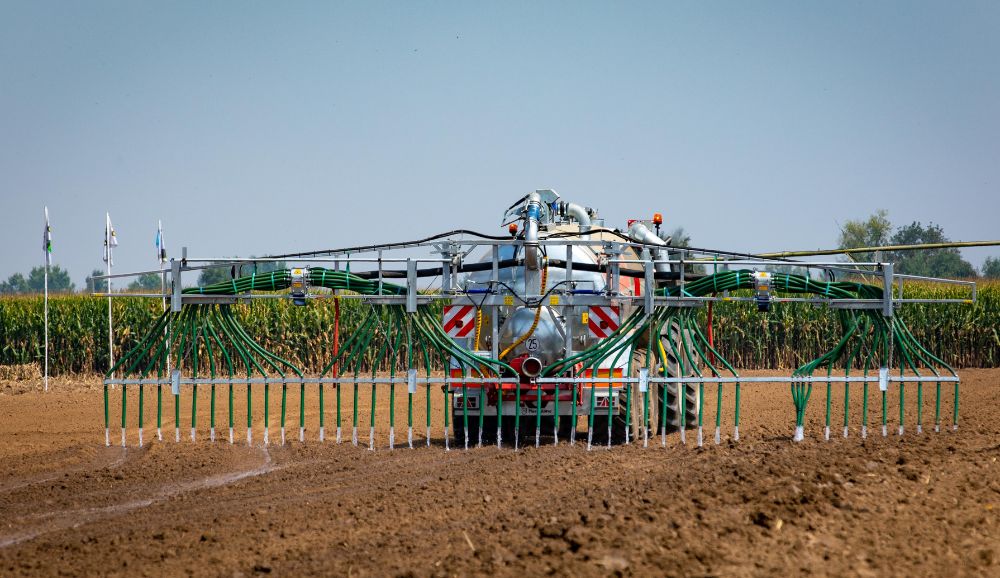
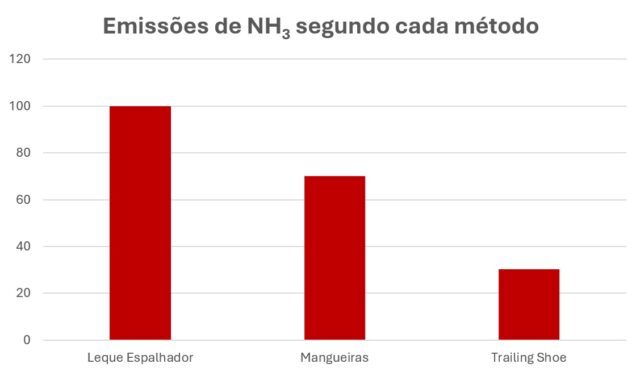
To meet this need, Herculano has developed its own spreaders, and also sells spreaders from the Vogelsang range, a pioneering German brand in agricultural technology with very diverse and proven solutions. In the graph below we can see that, compared to other spreading methods, these solutions have practically no NH3 emissions into the atmosphere (no odors) and, because the slurry is distributed very close to the ground, it is easier to absorb without disturbing crop growth.


We have therefore decided to compile the main features of the Vogelsang Swingup and Unispread trackers in this article.


SWINGUP LOCATOR

- Suitable for larger areas and greater precision in slurry application, with a variable working width of between 7.5 and 18 meters;
- Maximum precision in uniform distribution thanks to the distributors/crushers, the optimized layout of the hoses and their rigidity;
- Allows the slurry to be spread regardless of weather conditions, as it is deposited directly on the ground (minimizing the odour released);
- Due to its light weight, it requires less power to move;
- Can be adapted to existing vehicles;
- The arms fold to the side of the tank;
- It is necessary to apply hydraulic arms to the tank to support the boom and adjust the spreading height.


UNISPREAD LOCATOR

- Suitable for smaller areas, with widths ranging from 6 to 10.5 meters;
- More compact and economical option;
- Possibility of choosing the option with trailing shoes, a system that opens a narrow gully in the ground so that the slurry can then be deposited precisely and efficiently;
- Transport width up to 2.55 meters and height up to 3 meters;
- The arms fold up so that the whole system is stowed/folded behind the tank;
- Can be adapted to existing vehicles;
- Ideal for small working widths;
- It is necessary to apply fixed arms to the tank to support the bar;
- Can be adapted to umbilical systems.


HMB-boquetecereal-1.jpg

Often, great results come from implementing simple improvements not only to processes but also to existing equipment.

In order to improve the performance of day-to-day work activities, we have decided to share in this article the latest options we have implemented in our product portfolio.


  • XXL hydraulic arm

This is a new option that joins the various models already available from Herculano. In this case, the 8″ XXL hydraulic arm has two joints (1945 + 2200 mm) and is available for the CH 8000 to CH 24000 models.


  • New grain chute

In order to increase the longevity of the cereal pecker and make it easier to open and close, Herculano has changed the construction of the peckers, using a type of technical plastic (TIVAR 1000), making 2 new sizes available (350×350 and 450×450 mm).


  • Side staircase to the HDPA's

The side ladder is now available as an option for HDPA's to make it easier to access/see inside the box.


  • Cleaning kit for DL pumps

The DL pump cleaning kit is an essential tool for maintaining JUROP pumps. Regular use of this system helps to reduce pump repair costs and extend pump life.


  • HDPA 16 bottom reinforcement

Considering the hardness of the work carried out by the HDPA, we chose to give the customer the option of reinforcing the bottom of this equipment, increasing the thickness of the HARDOX 450 plate to 10mm and the consequent resistance to wear, compared to the 6mm that the trailer comes with as standard.


HMB-e-HTP.jpg

Any standard equipment Herculano can be optimized with options that substantially improve its performance.

In this article, I'll explain what I consider to be the 5 main options we have available for our Monocoque range.


1. Axle stabilization system


We don't always manage to achieve the best safety conditions when unloading, especially when it comes to leveling the ground.

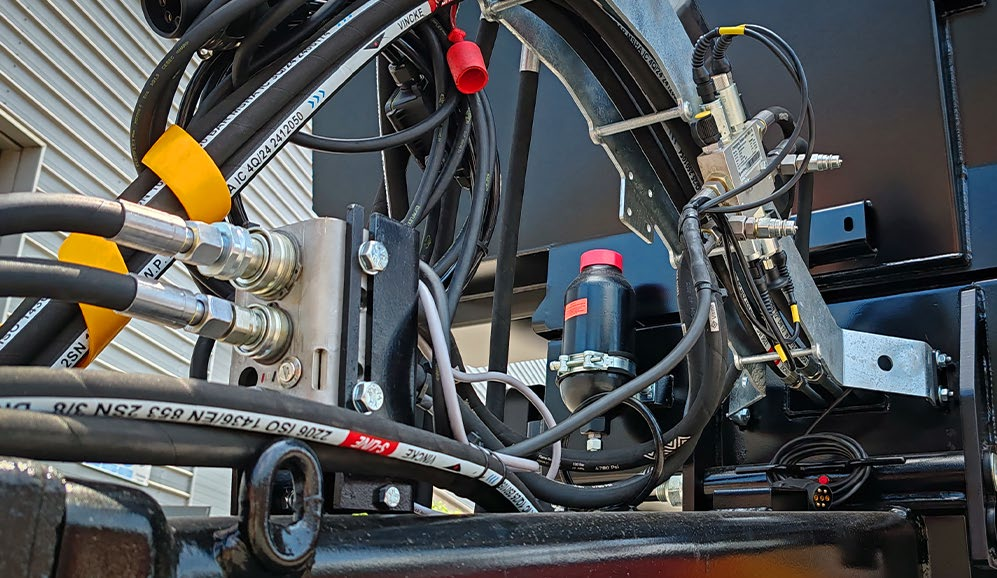
To ensure safe tipping, we offer the rear axle stabilization system which, as the name suggests, keeps the box stable during the process, preventing lateral oscillations that could result in a possible fall. In this system, the trailer is equipped with two cylinders on the stringers, which act independently of the tipping control, allowing the trailer to be stabilized when tipping on slightly inclined terrain. Once tipping has begun, the operator can carefully operate the tractor lever to balance the trailer and compensate for the slope. This option is available for Monocoques with 2 or 3 axles (in the case of 2 axles, only with tandem suspension).


For 2-axle monocoques with bogie suspension, we have another system: axle locking, where the locking is carried out with the hydraulic tipping line, i.e. as soon as tipping starts, immediately before, the axle is locked, and only stops when the box is down again.


2. Motor Pump Group (for Independent Hydraulic System)

In cases where there is an independent hydraulic system, it is advisable to use a motor-pump unit: a system consisting of a hydraulic motor and a hydraulic pump, mechanically connected to each other, which is positioned on the trailer. The motor is powered by the tractor's hydraulic system, the oil passes through the motor and returns to the tractor's tank, while the pump draws oil from a tank on the trailer and directs the oil to the tipping cylinder. Naturally, the higher the tractor's flow rate (maximum permitted 162Lt/min.), the shorter the tipping time.

With this system, and compared to the direct pump to the tractor's PTO, coupling/decoupling the trailer/tractor is much quicker, and we eliminate possible damage to the pump and the tractor's PTO.


3. Automatic lubrication system

The equipment has more and more functions and with them more points to lubricate with access that is not always easy.

With the automatic lubrication system, it is possible to pre-set the lubrication intervals and the amount of grease to be sent to each point to be lubricated differently.

As a result, using this system increases the useful life of the equipment, reduces the cost of spare parts and guarantees that the equipment is always working in perfect condition.


4. Weighing system

This system has load sensors fitted to the axles and the boom that allow the weight to be read in real time. Through a monitor, the user always has information on the weight they are carrying, avoiding fines for overloading or damaging the equipment due to overloading.


5. Choosing different axles and wheels

Depending on the conditions of the terrain or the purpose of the equipment, we offer various types of axles and wheels to better adapt to the customer's needs.

In terms of axles, we have fixed axles, self-steering axles, forced steering axles and electronic forced steering axles. You can see the main differences in this article: https://herculano.pt/noticias/como-escolher-o-tipo-de-eixo-para-o-seu-reboque

As for the wheels, depending on whether it's for use on the road or in the field, with a higher or lower level of soil compaction, we have a variety of options that aim to guarantee good performance from the equipment regardless of the conditions.


Herculano.jpg

Choosing the best type of axle for a trailer is not always an easy choice and issues such as safety, maneuverability and comfort are all points you should take into account when making your decision.

For this reason, we have prepared an article that presents the most important characteristics of the four main types of axle: fixed, self-steering, hydraulic forced steering and electronic forced steering.


FIXED AXLE

This is the simplest type of axle and, naturally, the most economical of the four. However, since the trailer is dragged in the direction imposed by the tractor, it is subject to greater tire wear.


SELF-STEERING AXLE

It is an axle that makes the wheels follow the direction taken by the tractor and can swing freely. It improves the maneuverability of the trailer compared to the fixed axle, reducing tire drag and consequently wear. It allows the axle to be locked in both directions, guaranteeing wheel alignment. The self-steering axle can be used unlocked in traffic up to a maximum speed of 15 km/h, after which it must be locked by the tractor driver.


HYDRAULIC FORCED DIRECTIONAL 

Axles that, when connected to the tractor, accompany and facilitate the tractor's bending to the right or left, reducing tire wear due to drag. In other words, when the tractor curves, the cylinder installed under the coupling device parallel to the boom is activated, following the radius of curvature and facilitating the maneuver.


ELECTRONIC FORCED DIRECTIONAL

This allows the steering axles of a trailer to be controlled via a sensor placed next to the lug. This technology allows the axles to lock automatically at a certain speed (programmed by the user).

Just as it does this automatically, it also allows manual control, simply by accessing the controller installed in the tractor cab.

Compared to the hydraulic forced steering option, the electronic steering improves the steering angle and entails less wear material and therefore less maintenance work.


Subscribe our newsletter